Menu Home

Condominium Ownership Considerations for Future Property Buyers

Purchasing a condominium is an exciting milestone that offers the opportunity to enjoy comfortable living while building long-term property value. Future buyers can make confident decisions by understanding ownership responsibilities, residential facilities, financial commitments, and available property features. When exploring options such as one chuan grove, evaluating the overall ownership experience can help prospective residents identify a home that complements their lifestyle and future expectations. Careful preparation also makes the purchasing journey more organised and rewarding.

1. Understanding Condominium Ownership

Before purchasing a condominium, buyers should understand the ownership structure and the responsibilities associated with residential property ownership. Knowing these details helps create a positive long-term living experience.

  • Individual ownership: Understand the rights associated with owning a private residential unit.
  • Shared facilities: Learn how communal spaces and amenities are maintained.
  • Ownership documentation: Review important agreements and property-related records.
  • Community guidelines: Understand the residential standards that support harmonious living.
  • Maintenance responsibilities: Identify the obligations connected with private and shared spaces.

2. Evaluating Financial Commitments

Financial preparation is an important part of purchasing a condominium. Buyers can establish a comfortable budget by considering both immediate purchasing expenses and ongoing ownership costs.

  • Purchase budget: Determine an affordable price range based on financial capacity.
  • Down payment: Prepare the initial amount required for the property purchase.
  • Loan arrangements: Explore suitable financing options and repayment schedules.
  • Maintenance fees: Consider recurring contributions for shared residential facilities.
  • Additional expenses: Account for insurance, utilities, furnishings, and other household requirements.
  • Emergency savings: Maintain financial flexibility for unexpected property-related needs.

3. Assessing Residential Facilities and Features

Long-Term Property

Condominium facilities contribute significantly to everyday comfort and convenience. Future buyers should consider how available features support their personal routines and household requirements.

  • Fitness facilities: Provide convenient opportunities to maintain an active lifestyle.
  • Swimming pools: Create enjoyable spaces for recreation and relaxation.
  • Security arrangements: Support a comfortable and organised residential environment.
  • Parking facilities: Offer practical arrangements for personal transportation.
  • Community spaces: Encourage social interaction and shared activities.
  • Green surroundings: Introduce pleasant outdoor areas for relaxation.

4. Considering Long-Term Property Value

A condominium purchase can form an important part of long-term financial planning. Buyers should evaluate factors that may influence the property’s future appeal and overall ownership experience.

  • Construction quality: Review materials, finishing standards, and building specifications.
  • Property maintenance: Consider how consistent upkeep supports lasting appeal.
  • Residential demand: Understand the general interest in similar property types.
  • Infrastructure development: Evaluate surrounding improvements that may support accessibility.
  • Unit functionality: Choose layouts that accommodate changing household requirements.
  • Resale potential: Consider features that may appeal to future property buyers.

5. Reviewing Legal and Management Details

Understanding legal documentation and property management arrangements helps buyers approach ownership with greater confidence. Clear information supports informed decisions throughout the purchasing process.

  • Review the sale and purchase agreement carefully.
  • Understand ownership terms and applicable regulations.
  • Check the property’s approved plans and relevant documentation.
  • Learn about condominium management responsibilities.
  • Clarify procedures for maintenance requests and shared facilities.

Conclusion

Condominium ownership offers an opportunity to combine comfortable residential living with long-term property planning. By reviewing financial commitments, ownership documentation, residential amenities, construction quality, and management arrangements, future buyers can make well-informed decisions. Comparing available units and understanding their practical features also helps establish realistic expectations before purchasing. Exploring the property background and experience of the one chuan grove developer can further help prospective buyers understand the development approach and make a confident decision that supports their residential goals and future aspirations.

Accurate Surge Protector Sizing Improves Overall System Safety

Electrical safety depends on selecting suitable protective devices that match the requirements of an electrical system. Surge protectors play an important role in managing sudden voltage increases and protecting connected equipment from transient electrical disturbances. Choosing the correct size and capacity helps maintain reliable protection, supports consistent equipment performance, and improves overall system safety. Proper sizing also encourages efficient power management and creates a dependable electrical environment for residential, commercial, and industrial applications.

Understanding Surge Protector Sizing Requirements

Surge protector sizing involves evaluating electrical characteristics and selecting a device with suitable protective capabilities. Important considerations include operating voltage, maximum discharge current, nominal discharge current, and voltage protection level. Understanding these specifications helps ensure that protective devices meet the requirements of the electrical installation.

  • Evaluate the system’s operating voltage.
  • Consider the expected surge exposure.
  • Review maximum discharge current ratings.
  • Check the voltage protection level.
  • Identify the electrical load requirements.

Improving Overall Electrical Safety

Correctly sized surge protection devices provide valuable support against transient voltage disturbances. They help safeguard sensitive electronic equipment, electrical panels, and connected machinery. Suitable selection also contributes to dependable electrical distribution and encourages safer operating conditions.

Understanding device specifications makes the selection process more effective. Helpful technical information available through https://lsp.global/how-to-size-surge-protection-device/ provides additional guidance about surge protection device sizing and important selection considerations.

Supporting Reliable Equipment Performance

Electrical equipment performs more consistently when supported by suitable protective arrangements. Accurate surge protector sizing helps ensure that connected components receive an appropriate level of protection against temporary voltage increases. This supports equipment durability and encourages dependable operation.

  • Protects sensitive electronic components.
  • Supports consistent machinery performance.
  • Helps preserve electrical equipment functionality.
  • Encourages dependable power distribution.
  • Contributes to longer equipment service life.

Enhancing Electrical System Compatibility

Compatibility is an essential factor when selecting surge protection devices. The selected protector should match the electrical system configuration, grounding arrangement, and installation requirements. Proper coordination between protective devices helps create an organized electrical infrastructure and supports effective protection throughout the system.

Professional assessment also helps identify suitable installation locations and protection requirements. These considerations encourage reliable integration and improve the overall performance of electrical distribution arrangements.

Encouraging Efficient Maintenance Practices

Regular inspection helps maintain the effectiveness of surge protection devices throughout their service life. Maintenance professionals can review device indicators, examine connections, and evaluate changing electrical requirements. Consistent monitoring supports reliable protection and encourages better electrical management.

  • Inspect protective devices periodically.
  • Review equipment operating conditions.
  • Check grounding and electrical connections.
  • Monitor protection status indicators.
  • Maintain updated installation documentation.

Promoting Long-Term System Reliability

Accurate sizing contributes to a balanced approach to electrical protection. When suitable devices are selected and professionally installed, electrical systems benefit from improved protection coordination and dependable performance. Combining proper sizing with quality installation and preventive maintenance supports long-term operational efficiency.

Conclusion

Accurate surge protector sizing is an important part of maintaining electrical safety and equipment reliability. Evaluating voltage requirements, surge capacity, protection levels, and system compatibility helps ensure effective device selection. With professional installation and regular maintenance, suitable surge protection solutions support stable electrical performance, protect valuable equipment, and strengthen overall system safety.

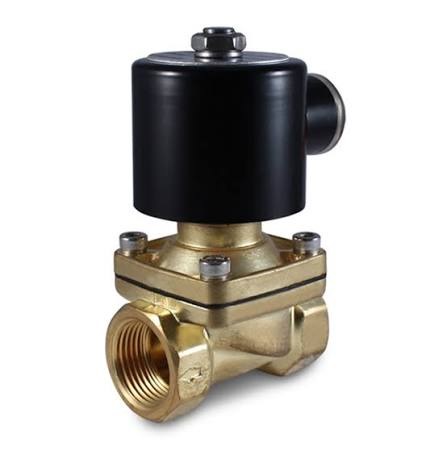
Direct Acting Solenoid Valves Provide Efficient And Responsive Flow Control

Accurate fluid management is essential for maintaining smooth operations across modern industrial applications. Direct acting solenoid valves contribute to this requirement by providing electrically controlled flow regulation through a straightforward operating mechanism. Their responsive performance, compact construction, and dependable functionality make them valuable components in different fluid handling systems. Understanding their working principles, features, and applications helps industries recognize how these valves support efficient operations and consistent equipment performance.

Understanding Direct Acting Solenoid Valve Technology

Direct acting solenoid valves use electromagnetic force to control the movement of an internal plunger or sealing element. When electrical power reaches the coil, a magnetic field develops and moves the plunger to open or close the flow passage. This mechanism allows operation without depending on a minimum pressure difference.

Important characteristics include:

  • Direct electromagnetic control of the valve mechanism.
  • Responsive opening and closing functionality.
  • Operation without minimum differential pressure.
  • Compact construction for convenient installation.
  • Suitable configurations for different fluid requirements.

Exploring The Main Valve Components

Pneumatic Valve Technology

Every direct acting solenoid valve contains carefully designed components that work together to provide controlled operation. Understanding their individual functions helps explain how electromagnetic energy becomes mechanical movement for effective flow management.

The essential components include:

  • Solenoid coil: Generates the magnetic field when energized.
  • Plunger: Moves according to electromagnetic force.
  • Return spring: Supports the valve’s normal position.
  • Valve seat: Provides a sealing surface for flow control.
  • Valve body: Contains the internal passages and connections.

Understanding The Operating Mechanism

The operating mechanism follows a simple electrical and mechanical process. When the coil receives an electrical signal, electromagnetic force moves the plunger against the spring force, changing the valve position. When electrical power is removed, the spring returns the mechanism to its original position.

This operation provides several useful characteristics:

  • Quick response to electrical control signals.
  • Consistent switching between operating positions.
  • Convenient automatic flow activation and shutoff.
  • Reliable operation in low-pressure conditions.
  • Accurate control through suitable valve configurations.

Exploring Different Valve Configurations

Direct acting solenoid valves are available in different configurations to support specific flow requirements. Normally closed and normally open arrangements provide different default operating conditions, allowing industries to select suitable solutions for their applications.

Common configurations include:

  • Two-way valves for opening and stopping flow.
  • Three-way valves for directing fluid between connections.
  • Normally closed valves that remain closed without power.
  • Normally open valves that maintain an open passage without power.
  • Compact designs for specialized equipment applications.

Benefits Across Industrial Applications

Direct acting solenoid valves provide practical advantages for equipment requiring dependable electrical flow control. Their straightforward construction and versatile operation support various industrial processes.

Key benefits include:

  • Responsive operation for automated equipment.
  • Dependable performance across suitable pressure conditions.
  • Convenient integration into control systems.
  • Compact designs that support space-efficient installation.
  • Consistent switching for repetitive operating cycles.

Applications And Maintenance Considerations

These valves support applications involving compressed air, water, gases, and compatible liquids. Their functionality makes them useful in dispensing equipment, fluid handling systems, pneumatic controls, and automated machinery. Exploring https://www.vincervalve.com/solenoid-valve-types/ provides additional insights into different solenoid valve designs and their operating characteristics.

Regular inspection, suitable electrical connections, compatible sealing materials, and appropriate operating conditions help maintain dependable performance.

Supporting Efficient Flow Management

Direct acting solenoid valves combine electromagnetic technology with practical engineering to deliver responsive flow control. Their straightforward mechanisms, flexible configurations, and dependable operation contribute to productive industrial environments. Selecting suitable valves and maintaining them properly supports consistent performance, efficient automation, and smooth fluid management.

Online Snow Day Calculator Tips for Better Winter Preparation

Families and students can use weather estimates to plan ahead, manage school responsibilities, and prepare for possible schedule changes. With a few practical habits, winter planning becomes easier, more flexible, and less stressful for everyone.

Understand How Snow Day Estimates Work

Snow day estimates help families consider different weather conditions that may affect regular school schedules. Understanding the information behind a prediction makes it easier to prepare for several possible outcomes.

  • Review snowfall forecasts: Pay attention to expected snowfall amounts and changing conditions.
  • Consider temperature changes: Freezing temperatures can influence road conditions and morning travel.
  • Check timing carefully: Overnight snowfall may affect early morning routines differently from afternoon weather.
  • Observe forecast updates: Fresh information can help families adjust their preparation plans.
  • Think about overall conditions: Snow, ice, wind, and visibility can influence daily travel decisions.

Use Online Calculations for Better Planning

Digital prediction methods can provide helpful estimates by combining weather information with relevant school schedule factors. Using a school snowday calculator can help families understand the possibility of a closure while preparing for different winter scenarios.

  • Enter accurate information: Reliable inputs can support more meaningful estimates.
  • Review the predicted probability: Treat the result as guidance rather than a guaranteed announcement.
  • Compare changing estimates: Rechecking predictions can reveal how updated forecasts affect expectations.
  • Allow room for uncertainty: Weather conditions can develop differently from initial predictions.
  • Prepare for every outcome: Keep regular school plans and alternative arrangements ready.

Organize Essential Winter Supplies

Snow Day

Preparing useful supplies before severe weather arrives helps households respond comfortably to unexpected schedule changes. A simple checklist can make winter readiness more manageable.

  • Keep warm clothing, gloves, and comfortable footwear accessible.
  • Store sufficient drinking water and convenient food supplies.
  • Prepare flashlights and check battery availability.
  • Keep blankets and essential household items within reach.
  • Organize schoolbooks, notebooks, and learning materials.
  • Check winter clothing for children before colder days arrive.

Create Flexible Family Schedules

A flexible routine helps everyone remain productive when school schedules change. Planning alternatives in advance reduces confusion and makes unexpected free time easier to manage.

  • Set a morning routine: Decide how family members will check updates before leaving home.
  • Arrange backup supervision: Consider suitable care options when regular classes are canceled.
  • Plan indoor activities: Prepare reading, creative projects, puzzles, and family games.
  • Keep meals simple: Organize convenient meal options for changing daily routines.
  • Protect study time: Establish a comfortable learning space for completing schoolwork.

Follow Reliable School Communications

Calculator predictions are useful preparation tools, but official school announcements should guide final decisions. Regular communication helps families distinguish estimated closures from confirmed schedule changes.

  • Check messages before beginning the morning commute.
  • Keep contact details and emergency information accessible.
  • Review announcements whenever forecasts change significantly.
  • Share confirmed updates with relevant family members.
  • Avoid relying on a single prediction when conditions remain uncertain.

Make Winter Preparation a Regular Habit

Consistent preparation builds confidence throughout the colder season. Families can review supplies weekly, discuss emergency plans, and update routines as weather conditions evolve. Students can also organize assignments, charge essential devices, and keep learning materials ready.

Combining thoughtful planning, timely information, and flexible routines makes winter disruptions easier to handle. By preparing early and reviewing reliable updates, households can maintain greater comfort, support learning continuity, and approach changing winter conditions with confidence.