Menu Home

Author Archives

Ed Miller

How to Choose a Chemical Protective Coverall for Hazardous Liquid Handling
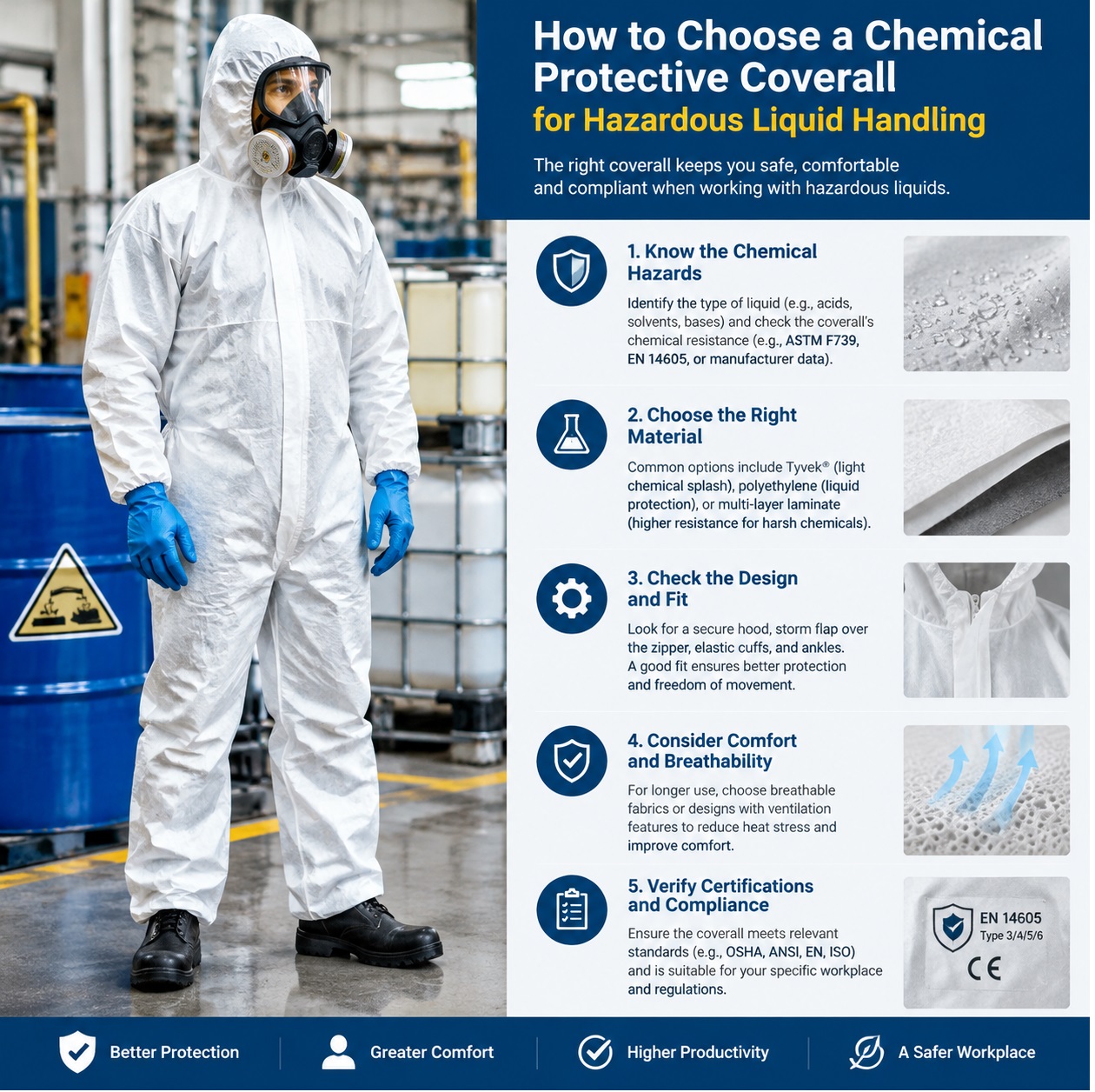
 

Chemical Protective Coverall The phrase “chemical resistant” on a coverall label is one of the most abused claims in industrial safety. There is no such thing as a universally chemical-resistant garment. Every suit that claims that title is resistant to a specific chemical, at a specific concentration, for a specific duration, and nothing more. Anyone who tells you otherwise is selling you something, and they might be selling you a false sense of security that gets someone hurt.

That single idea should govern every decision you make about protective coveralls for hazardous liquid handling. Not the color. Not the price per unit. Not whatever the last vendor shoved across your desk. The chemistry of the job, the physics of the exposure, and the honest limits of the garment.

Start with the exposure, not the garment.

Before you look at a single spec sheet, write down what your workers are actually handling. Liquid splashes are not the same threat as pressurized spray, which is not the same threat as an immersion event or a vapor-heavy environment. A splash that lands on a sleeve and rolls off is a different physics problem than a jet of solvent hitting a zipper at close range. The suit has to match the scenario.

This is where the European Type classification becomes useful, even if you’re buying in another region. Type 6 covers light liquid splash. Type 4 covers liquid spray. Type 3 covers liquid jet. Type 5 handles airborne solid particles. If your task involves decanting drums, you’re probably in Type 4 or Type 3 territory. If it’s cleaning up a puddle, Type 6 might genuinely suffice. The mistake is buying one classification for every job on site because it simplifies procurement. Convenience is a terrible reason to under-protect a worker.

Understand what permeation actually means.

Most buyers fixate on penetration, which is liquid leaking through holes, seams, or zippers. Permeation is the quieter killer. It’s a chemical moving through the fabric itself at a molecular level, with no visible hole and no visible wet spot. By the time the worker feels something, the exposure has already happened. The suit looked intact the entire time.

That’s why you need to read chemical resistance charts properly. Every reputable manufacturer publishes permeation data with a breakthrough time, usually measured in minutes. A breakthrough time of 10 minutes for a given chemical means the suit offers meaningful protection for roughly that window under test conditions. If your task takes 45 minutes, a 10-minute breakthrough time is not protection. It’s a countdown timer.

Find the chart for the exact chemical you’re handling, at the concentration you’re using, and compare it to the duration of the task. If the breakthrough time doesn’t comfortably exceed the work window, move to a different material.

Match the material to the chemistry.

Polyethylene and polypropylene spunbond fabrics are inexpensive and fine for dry particulates and light aqueous splashes. They are a poor choice for aggressive solvents. Microporous films and laminates offer better liquid holdout but still vary wildly depending on the specific film. Tyvek, Tychem, and similar branded materials each have distinct chemical performance profiles, and the grades within a single brand line can differ substantially.

The trap here is brand loyalty. A company standardizes on one coverall line and assumes it’s appropriate for every chemical on site. Then a new solvent arrives, nobody revisits the garment selection, and the protection gap opens silently. Chemical compatibility is a moving target. Treat it that way.

Do not ignore the physical construction details.

A coverall is only as strong as its weakest seam. Stitched seams can wick liquid. Taped or heat-sealed seams close that path. If you’re handling liquids with any real hazard profile, taped seams are not a premium upgrade. They’re the baseline.

Zippers need a storm flap. Elastic cuffs need to sit snug against a glove, not gap open. The hood-to-respirator interface matters if there’s any vapor concern. Ankles need to overlap boots properly. These aren’t cosmetic details. They are the exact points where real-world exposure happens, and they’re the first things cut when a manufacturer trims costs.

Also think about what happens after the suit is worn. A contaminated coverall is hazardous waste. Can it be safely removed without touching the outside surface? Is there a designated doffing procedure? A perfect suit with a sloppy removal protocol still ends in exposure.

Fit and heat stress deserve real weight.

An oversized coverall catches on equipment and tears. An undersized one restricts movement, which leads to workers skipping it or modifying it, both of which defeat the purpose. More importantly, coveralls trap heat. In a warm plant or a summer job site, heat stress can become a bigger immediate danger than the chemical itself. There’s a real tradeoff between barrier performance and breathability, and pretending it doesn’t exist puts workers in a position where they choose between overheating and being unprotected.

If the task is short and the chemical is aggressive, accept the heat and manage work-rest cycles. If the task is long and the chemical is mild, a lighter fabric might genuinely be the safer overall choice. That’s an honest engineering decision, not a compromise.

Build a selection checklist you actually use.

Identify the specific chemical, concentration, and physical state. Determine whether the exposure risk is splash, spray, jet, immersion, or vapor. Set the maximum task duration and add a safety margin. Pull the permeation and penetration data for candidate materials against that specific chemical. Confirm the garment’s Type classification matches the exposure mode. Inspect seam construction, closure design, and the glove and boot interface. Size for the largest worker who will wear it and test mobility. Establish a donning and doffing procedure and a disposal plan. Train everyone who touches the suit on its limits, not just its features.

If a supplier can’t give you permeation data for your specific chemical, that’s your answer. Walk away. A coverall without verifiable chemical performance data is a costume, not protective equipment.

The bottom line is uncomfortable but simple. Choosing a chemical protective coverall is a chemistry problem wrapped in a garment. The moment you let price, convenience, or brand familiarity drive the decision, you’ve stopped doing safety and started doing procurement theater. Get the chemistry right first. Everything else follows from there.

SnapTik Tips for Resolving Video Downloading Difficulties

Saving videos for convenient viewing can be a simple and enjoyable experience when the right steps are followed. Occasionally, a download may take longer than expected or fail to complete. Understanding a few practical solutions helps make the process smoother and more reliable.

Most downloading difficulties can be addressed by checking basic settings, confirming the video link, and ensuring the device has enough available storage. A little preparation can improve convenience and help users manage their favorite video content more efficiently.

Check the Video Link Carefully

A correct video link is essential for successful downloading. Small mistakes when copying or pasting a link can interrupt the process.

Helpful tips include:

  • Copy the complete video link.
  • Check for missing characters.
  • Remove unnecessary spaces.
  • Confirm that the link opens correctly.
  • Use links to publicly accessible content.
  • Copy the link again if necessary.

These simple checks help establish a reliable starting point and reduce avoidable interruptions.

Improve Your Internet Connection

SnapTik Review

A stable internet connection supports faster processing and smoother downloads. Weak signals or temporary connection changes may prevent a file from completing successfully.

Consider these practical steps:

  • Move closer to the wireless router.
  • Switch to a more stable connection.
  • Pause other large downloads temporarily.
  • Wait for connectivity to improve.
  • Retry the download after reconnecting.

Maintaining a steady connection can make the entire experience more convenient, especially when saving larger video files.

Choose Suitable Download Settings

Selecting appropriate settings can improve the balance between visual quality, file size, and downloading speed. When several formats or quality levels are available, choose the option that best suits your needs.

For a smoother experience:

  • Select a compatible video format.
  • Choose a suitable resolution.
  • Check the estimated file size.
  • Allow enough time for processing.
  • Avoid interrupting an active download.

When preserving clear visuals matters, SnapTik Without Watermark may be a useful search phrase for exploring available saving options. Always review the relevant terms and respect the creator’s rights before saving or sharing content.

Keep Your Device Ready

Device settings can also influence downloading performance. Insufficient storage, restricted permissions, or too many active tasks may affect the process.

Try these helpful measures:

  • Free up unnecessary storage space.
  • Check browser download permissions.
  • Close unused tabs when practical.
  • Keep the device adequately charged.
  • Look in the designated downloads folder.
  • Restart the download if it remains incomplete.

These habits support better organization while making saved files easier to locate.

Resolve Repeated Download Interruptions

If a download repeatedly stops, take a moment to identify the possible cause instead of repeating the same steps immediately. Refreshing the page, copying the link again, or waiting briefly may resolve temporary issues. You can also try another supported browser or device if the original option continues to experience difficulties. Use trusted services and avoid unfamiliar files or unnecessary permission requests.

Enjoy a Smoother Saving Experience

Successful video downloading often depends on a few straightforward habits. Checking links, maintaining connectivity, choosing suitable settings, and managing device storage can prevent many common difficulties. With these practical tips, users can approach downloading tasks with greater confidence, maintain an organized collection, and enjoy a more convenient experience whenever saving permitted video content.

Well Planned Place Parking Creates A Stress Free Experience

A comfortable visit often begins with convenient parking. Whether attending an exhibition, joining a special event, or visiting a busy venue, finding a suitable parking space can make the entire experience more enjoyable. Thoughtful parking arrangements help visitors save time, move confidently, and focus on their plans. With clear directions, organized spaces, and accessible facilities, parking becomes a simple and pleasant part of every journey.

Making Arrivals Simple And Convenient

Well-organized parking areas help drivers find suitable spaces without unnecessary confusion. Clear entry points and easy-to-follow directions create a welcoming atmosphere, allowing visitors to begin their activities with greater confidence and comfort.

  • Clear Signage: Visible signs guide drivers toward available parking spaces.
  • Organized Entrances: Properly arranged access points support smooth vehicle movement.
  • Easy Navigation: Simple layouts help visitors identify suitable parking sections.
  • Helpful Guidance: Attentive assistance makes arrival procedures more convenient.

Saving Time Through Better Planning

Efficient parking arrangements reduce the time spent searching for spaces and navigating crowded areas. Advance planning also helps accommodate different visitor needs, creating a more predictable experience during busy periods and special occasions.

  • Space Allocation: Organized sections make available parking easier to identify.
  • Peak-Time Preparation: Planning for busy hours supports smoother arrivals.
  • Efficient Movement: Clearly defined driving routes help reduce unnecessary delays.
  • Advance Information: Sharing parking details helps visitors prepare before departure.

Improving Comfort And Accessibility

A thoughtfully designed parking facility considers the needs of different visitors. Convenient walking routes, suitable parking spaces, and clear information help create an inclusive environment where people can move comfortably between their vehicles and their destinations.

  • Accessible Spaces: Designated areas support visitors with mobility requirements.
  • Convenient Walkways: Clearly marked pedestrian routes make movement easier.
  • Well-Lit Areas: Good lighting helps visitors navigate parking spaces comfortably.
  • Suitable Layouts: Organized spaces support easier entry and exit.

Creating A Positive Visitor Experience

Parking influences the overall impression people form when visiting a venue. A clean, orderly, and convenient facility allows visitors to spend less time managing travel arrangements and more time enjoying meaningful activities, professional gatherings, or leisure experiences.

  • Reduced Confusion: Clear instructions help visitors feel more confident.
  • Comfortable Visits: Convenient parking supports a relaxed arrival experience.
  • Better Organization: Structured arrangements create a welcoming environment.
  • Smooth Departures: Planned exit routes help visitors leave more comfortably.

Preparing For A Hassle-Free Visit

Checking parking arrangements before leaving home can make any journey more convenient. Understanding access points, reviewing available options, and allowing sufficient arrival time help visitors feel prepared and make informed decisions.

  • Review Directions: Check parking instructions before starting the journey.
  • Explore Available Options: Compare suitable spaces based on convenience.
  • Allow Extra Time: Early arrival provides flexibility during busy periods.
  • Follow Guidance: Observe signs and staff instructions for smoother movement.

For additional preparation, visitors can explore https://www.aplusexpo.com/mccormick-place-parking-guide/ to learn more about parking arrangements and planning considerations. Ultimately, well-planned parking creates a more enjoyable experience by combining convenience, accessibility, and efficient organization. When parking facilities prioritize visitor needs, every arrival becomes easier and every departure feels more manageable. These thoughtful arrangements help people enjoy their activities with greater peace of mind, making convenient parking an essential part of a positive visit.

Premium Lift Systems Support Distinctive Looks And Outdoor Adventures

Vehicle customization allows drivers to combine personal style with practical features that support their preferred driving activities. Premium lift systems offer an appealing way to create a more commanding appearance while providing additional ground clearance for suitable outdoor adventures. With carefully selected components and professional installation, vehicle owners can develop a distinctive look while maintaining comfort, stability, and dependable everyday performance.

Creating A Bold And Distinctive Appearance

Lift systems can transform a vehicle’s overall proportions by increasing its height and creating a stronger visual presence. When paired with suitable wheels and tires, the right setup helps establish a coordinated appearance that reflects individual preferences.

  • Elevated Styling: Increased ride height creates a more prominent stance and distinctive exterior appearance.
  • Enhanced Proportions: Compatible wheels and tires help achieve a balanced, customized look.
  • Personal Expression: Different lift configurations allow drivers to choose a style that suits their preferences.
  • Rugged Character: Carefully selected components complement adventurous vehicle styling.
  • Coordinated Finishes: Matching exterior accessories with the lift setup creates a cohesive design.

Supporting Outdoor Exploration

Additional ground clearance can be beneficial when traveling over suitable uneven surfaces, depending on the vehicle and its configuration. A professionally selected lift system can help prepare a compatible vehicle for recreational activities while preserving important handling characteristics.

  • Improved Clearance: Increased space beneath the vehicle can help reduce contact with certain ground obstacles.
  • Trail Preparation: Suitable configurations can support recreational driving on appropriate unpaved routes.
  • Outdoor Flexibility: A well-planned setup accommodates different adventure-oriented vehicle requirements.
  • Tire Compatibility: Properly selected tires can complement the lift system and intended driving conditions.
  • Confident Maneuvering: Compatible suspension components help support controlled movement over suitable terrain.

Choosing Quality Lift System Components

Custom Wheels And Tires

A successful upgrade depends on selecting components that work with the vehicle’s design and intended use. Professional guidance helps drivers understand available configurations while prioritizing fitment, durability, and everyday usability.

  • Vehicle Compatibility: Components should match the vehicle’s specifications and suspension design.
  • Durable Construction: Quality materials support dependable performance during regular use.
  • Appropriate Lift Height: Selecting a suitable height helps balance appearance, clearance, and handling.
  • Suspension Coordination: Compatible components help maintain balanced suspension operation.
  • Professional Installation: Correct fitting supports reliable functionality and helps ensure that essential components work together.

Maintaining Comfort And Dependable Performance

Lift systems should complement the vehicle rather than compromise its everyday practicality. Regular inspections and appropriate maintenance help preserve driving comfort, predictable handling, and the condition of upgraded components.

  • Alignment Checks: Proper alignment supports steering consistency and helps manage tire wear.
  • Routine Inspections: Examining suspension parts helps identify developing maintenance needs.
  • Tire Monitoring: Checking pressure and tread condition supports dependable road contact.
  • Secure Fittings: Periodic professional checks help maintain the condition of installed hardware.
  • Balanced Driving: Adapting driving habits to the vehicle’s modified height supports safer operation.

Bringing Style And Adventure Together

Premium lift systems provide an opportunity to personalize a vehicle while preparing it for suitable recreational activities. Drivers can explore available options through https://www.blackjackspeedshop.com/new-braunfels/lift-kits-and-suspension/ and consider configurations that match their vehicle and driving goals. With compatible components, professional installation, and consistent maintenance, a thoughtfully upgraded vehicle can deliver distinctive styling, useful ground clearance, and enjoyable outdoor experiences while remaining practical for everyday journeys.

Insurance Requirements for 501(c)(3) Organizations

Nonprofit organizations classified under 501(c)(3) statuses often focus on charitable, educational, or community-focused missions. While their goals are service-driven, they still face operational risks similar to any other organization. Insurance plays a crucial role in protecting leadership, volunteers, staff, and assets while ensuring the organization can continue its mission confidently.

Below is an overview of key insurance considerations that help strengthen stability, accountability, and long-term sustainability.

Why Insurance Matters for 501(c)(3) Organizations

Even mission-driven groups encounter unexpected situations such as accidents, property damage, or legal claims. Appropriate insurance coverage helps provide financial protection and peace of mind.

Key benefits include:

  • Protecting the organization’s financial health
  • Safeguarding board members and leadership
  • Supporting compliance with regulatory expectations
  • Building credibility with donors and partners
  • Ensuring continuity of services during challenging situations
  • Demonstrating responsible governance and risk management

Having the right policies in place also reassures supporters that the organization is operating with strong safeguards. Experienced providers known as volunteer insurance specialists help nonprofits select policies that match their unique requirements.

General Liability Insurance

General liability insurance is one of the most common protections for nonprofit entities. It helps cover claims related to bodily injury, property damage, or accidents connected to organizational activities.

Typical coverage may include:

  • Injuries that occur during programs or events
  • Damage to third-party property
  • Legal defense costs related to liability claims
  • Medical payments for minor injuries

This type of insurance forms a foundational layer of protection for daily operations.

Directors and Officers (D&O) Liability Insurance

Leadership teams play a central role in guiding nonprofit activities. Directors and officers liability insurance helps protect board members and executives from claims related to management decisions.

Important protections include:

  • Allegations of mismanagement or governance issues
  • Claims related to financial oversight
  • Protection against personal liability for leadership decisions
  • Coverage for legal defense expenses

This coverage encourages strong leadership participation while reducing personal risk.

Property Insurance

Organizations often rely on offices, equipment, or supplies to deliver their programs effectively. Property insurance helps protect these assets from unexpected damage or loss.

Coverage may support:

  • Repair or replacement of office equipment
  • Protection for furniture, supplies, and technology
  • Recovery assistance after fire, theft, or certain natural events
  • Coverage for rented or owned facilities

By protecting physical resources, organizations can continue operating without major disruption.

Volunteer and Staff Protection

Many charitable organizations depend heavily on volunteers and employees. Insurance coverage can help protect everyone involved in the mission.

Helpful coverage options may include:

  • Workers’ compensation protection for employees
  • Accident coverage for volunteers during activities
  • Liability protection during organized programs
  • Support for medical costs related to work-related incidents

These safeguards promote a safe and supportive environment for everyone contributing to the organization’s work.

Event and Activity Coverage

Nonprofits frequently host events, workshops, or community programs. Event-related insurance can provide additional protection during these activities.

Key considerations include:

  • Coverage for temporary events or fundraising activities
  • Liability protection for participants and guests
  • Protection for rented equipment used during events
  • Support for unexpected cancellations or disruptions

Proper planning ensures that events remain positive and successful experiences.

Building a Strong Risk Management Approach

Insurance works best when combined with thoughtful risk management practices. Organizations can strengthen their protection by:

  • Regularly reviewing insurance policies
  • Maintaining clear safety guidelines
  • Documenting procedures and responsibilities
  • Training staff and volunteers on safety practices
  • Updating coverage as programs expand

With the right insurance strategy in place, 501(c)(3) organizations can operate confidently, protect their people and resources, and stay focused on achieving their meaningful mission.

Marketing Agency Strategies Create Opportunities For Stronger Customer Retention

Strong customer relationships can support steady business growth by encouraging trust, satisfaction, and continued engagement. Thoughtful marketing strategies help businesses understand customer expectations, provide valuable communication, and create positive experiences that encourage people to remain connected with a business over time.

Understanding Customer Expectations

Customer-focused marketing begins with understanding what audiences value most. Insights into preferences, interests, and expectations help businesses create communication that feels relevant, useful, and genuinely connected to customer needs.

  • Identify important customer interests.
  • Understand changing preferences and expectations.
  • Review common questions and feedback.
  • Create communication around customer needs.
  • Develop experiences that encourage satisfaction.

Creating Valuable Customer Content

Useful content gives customers ongoing reasons to engage with a business. Informative resources, helpful guidance, and engaging messages can strengthen familiarity while providing practical value throughout the customer relationship.

  • Share helpful educational information.
  • Provide useful tips and guidance.
  • Create engaging customer-focused content.
  • Answer common questions clearly.
  • Maintain consistent content quality.

Building Personalized Communication

Relevant communication can make customers feel recognized and valued. Marketing strategies can use customer insights to create messages that reflect individual interests while maintaining a friendly and consistent communication experience.

  • Develop messages around customer interests.
  • Provide relevant recommendations and information.
  • Celebrate meaningful customer milestones.
  • Adapt communication to customer preferences.
  • Maintain a warm and helpful tone.

Encouraging Meaningful Engagement

Regular engagement keeps customer relationships active and positive. Businesses can create opportunities for interaction by inviting feedback, sharing useful updates, and encouraging customers to participate in meaningful conversations.

  • Encourage customers to share feedback.
  • Invite responses to engaging content.
  • Provide timely and helpful updates.
  • Create opportunities for ongoing interaction.
  • Recognize valuable customer contributions.

Strengthening Trust Through Consistency

Consistent communication helps customers understand what they can expect from a business. Reliable messaging and dependable experiences can reinforce confidence while creating a stronger foundation for lasting relationships.

  • Maintain clear communication standards.
  • Deliver consistent customer messages.
  • Keep information accurate and useful.
  • Follow through on customer expectations.
  • Reinforce positive business values.

Using Customer Feedback Effectively

Customer feedback provides valuable opportunities for continuous improvement. Listening carefully to customer experiences helps businesses discover what is working well and identify ways to make future interactions even more valuable.

  • Collect meaningful customer opinions.
  • Review feedback for useful patterns.
  • Recognize areas for improvement.
  • Apply relevant suggestions thoughtfully.
  • Communicate improvements positively.

Creating Loyalty Through Added Value

Additional value can encourage customers to remain engaged and explore more opportunities with a business. Helpful resources, thoughtful communication, and rewarding experiences can make ongoing relationships feel increasingly meaningful.

  • Offer useful educational resources.
  • Share exclusive and relevant information.
  • Recognize returning customers.
  • Provide helpful customer guidance.
  • Create positive reasons for continued engagement.

Supporting Long-Term Relationships

Customer retention develops through consistent value, genuine engagement, and thoughtful communication. Marketing expertise can help businesses connect these elements into a coordinated strategy that supports satisfaction and encourages lasting relationships. Businesses exploring Marketingbureau Haarlem strategies can focus on customer insights, personalized communication, valuable content, feedback, and consistent engagement. By creating positive experiences at every stage, marketing efforts can strengthen trust, encourage continued interaction, and build lasting customer relationships that support sustainable business growth.

Custom Workshop Buildings Encourage Productive And Organized Creative Activities

A custom workshop building can create a dedicated environment for creativity, practical projects, and focused work. With carefully planned layouts, organized storage, and useful features, these spaces can support different activities while keeping tools, materials, and equipment conveniently arranged.

Creating A Dedicated Creative Space

A separate workshop provides room to concentrate on projects without competing with everyday household activities. Custom planning allows the interior to reflect specific hobbies, work styles, and equipment requirements.

  • Create dedicated areas for creative projects.
  • Arrange work surfaces around preferred activities.
  • Keep frequently used tools within easy reach.
  • Reserve open areas for larger projects.

Designing Efficient Work Areas

A productive workshop benefits from an interior arrangement that encourages comfortable movement and efficient task completion. Thoughtful positioning of benches, storage, and equipment can make project sessions more enjoyable.

  • Install sturdy workbenches for practical tasks.
  • Maintain clear pathways between work zones.
  • Position equipment according to regular usage.
  • Provide suitable lighting for detailed activities.

Improving Tool Organization

Organized tools can make every project smoother by reducing unnecessary searching and keeping essential equipment accessible. Dedicated storage features also help maintain a clean and welcoming workshop environment.

  • Use shelves for organized vertical storage.
  • Add cabinets for smaller tools and supplies.
  • Install hooks for frequently used equipment.
  • Create labeled sections for different materials.

Supporting Different Creative Activities

A custom workshop can accommodate a wide variety of interests. Flexible spaces can support crafting, woodworking, repairs, gardening projects, artistic activities, and other hands-on pursuits.

  • Establish a crafting and assembly area.
  • Create space for repair and maintenance work.
  • Organize gardening preparation supplies.
  • Reserve surfaces for ongoing projects.

Enhancing Comfort And Convenience

Comfortable surroundings can encourage longer and more enjoyable creative sessions. Natural light, ventilation, suitable flooring, and convenient access contribute to a practical and pleasant workspace.

  • Use windows to bring in natural light.
  • Provide ventilation for a comfortable environment.
  • Choose flooring suited to workshop activities.
  • Include convenient electrical access where appropriate.

Adapting To Future Projects

Project interests can change over time, so flexible workshop layouts can provide lasting usefulness. Adjustable storage and open floor areas make it easier to accommodate new tools, equipment, and creative activities.

  • Choose movable storage where practical.
  • Leave room for additional equipment.
  • Use flexible work surfaces.
  • Plan storage with future projects in mind.

Exploring Custom Workshop Options

Choosing a workshop involves considering available space, project types, storage requirements, and desired features. Exploring options such as Alberta sheds can provide inspiration when planning a practical and attractive workshop environment.

  • Compare different building sizes.
  • Review interior layout possibilities.
  • Consider access and storage features.
  • Select designs that support intended activities.

Building A Productive Creative Environment

A well-planned workshop can transform an outdoor area into an inspiring destination for hands-on work and creative exploration. Combining dedicated work zones, organized storage, comfortable features, and adaptable layouts helps create an environment where projects can develop smoothly. Custom workshop buildings provide a valuable balance of organization and creativity. With thoughtful design and practical features, they can support productive activities, protect useful equipment, and make every project session more convenient and enjoyable.

Navigating Gaming Services With Player and Agent Resources

Gaming services can become more organized when players and agents have access to resources designed around their different needs. Clear account guidance, useful service information, and responsive support can create a smoother experience. With practical resources available, participants can understand available options while agents can manage responsibilities with greater confidence.

Understanding Player Resources

Player resources focus on convenience, clarity, and enjoyable participation. Well-structured guidance helps users understand account features, available services, and everyday activities without unnecessary complexity.

  • Simple account guidance
  • Clear service information
  • Convenient access options
  • Helpful participation tips
  • Organized account details
  • Smooth navigation support

These resources can make routine tasks easier while giving players greater confidence when exploring gaming services. Clear instructions also help users make informed choices based on their individual preferences and goals.

Exploring Agent Resources

Agents can benefit from dedicated resources that support account-related responsibilities and service coordination. When information is presented clearly, agents can work more efficiently and maintain consistent communication.

  • Practical account assistance
  • Organized service resources
  • Clear management guidance
  • Efficient communication tools
  • Flexible support options
  • Structured activity information

A resource such as Orion Star Agent can also appear within broader discussions about agent-focused access and account support, while the overall goal remains centered on creating convenient and organized service experiences.

Connecting Different Service Needs

Player and agent resources serve different purposes, yet they can complement each other effectively. Players generally seek convenient access and understandable information, while agents may require broader resources for account management and service coordination.

  • Player-focused guidance
  • Agent-oriented assistance
  • Clear access pathways
  • Consistent information
  • Efficient service coordination
  • Convenient support channels

When these areas are clearly separated and thoughtfully organized, users can find relevant information more quickly. This structure also encourages smoother interactions and reduces confusion during routine activities.

Building Better Gaming Experiences

Positive gaming experiences often begin with resources that are easy to understand and simple to use. Well-presented information can help participants feel comfortable as they explore available services and account options.

  • Easy-to-follow instructions
  • Accessible account resources
  • Helpful service explanations
  • Reliable guidance
  • Flexible participation support
  • Organized information

Agents can likewise benefit from resources that make daily responsibilities more manageable. Clear processes encourage consistency, while practical support can help maintain an efficient service environment.

Supporting Confident Navigation

A balanced resource structure gives both players and agents useful tools for their respective needs. Players can focus on enjoyable participation, while agents can access information that supports effective account and service management.

  • Clear resource organization
  • Convenient account access
  • Helpful service guidance
  • Efficient task management
  • Positive user support
  • Greater navigation confidence

As gaming services continue to develop, accessible resources can contribute to more comfortable and engaging experiences. Combining player-focused assistance with agent-oriented guidance creates a practical foundation for smooth navigation, clear communication, and lasting user satisfaction.


Professional Shampoo Area Equipment Supports Efficient Salon Service Delivery

Well-designed shampoo area equipment can help create a smooth, comfortable, and organized service environment. Carefully selected fixtures support practical workflows while improving client comfort. A quality Shampoo Chair can become an important part of a functional setup by providing dependable support during washing and conditioning services.

Comfortable Equipment Improves Client Experience

Client comfort plays an important role in creating a pleasant service atmosphere. Ergonomic equipment can provide suitable positioning while allowing professionals to work efficiently throughout each appointment.

  • Supportive seating encourages relaxation.
  • Comfortable positioning improves the service experience.
  • Cushioned surfaces add a pleasant touch.
  • Adjustable elements provide useful flexibility.
  • Thoughtful designs promote overall satisfaction.

Efficient Layout Supports Smooth Workflows

A well-planned shampoo area can make daily tasks easier by placing essential equipment within convenient reach. Organized positioning allows professionals to move naturally between different service steps.

  • Accessible fixtures reduce unnecessary movement.
  • Organized layouts support efficient routines.
  • Convenient placement improves workflow.
  • Clear spaces encourage smooth movement.
  • Practical arrangements save valuable time.

Durable Materials Encourage Long-Term Use

Shampoo Chair

Professional equipment benefits from materials designed for regular service environments. Strong construction and quality finishes can support dependable performance while maintaining an attractive appearance through frequent use.

  • Durable structures support repeated use.
  • Quality surfaces are easier to maintain.
  • Strong components encourage reliability.
  • Moisture-resistant finishes support practicality.
  • Well-built equipment maintains a polished appearance.

Practical Storage Keeps Areas Organized

Storage solutions can help keep essential supplies close while maintaining a clean and uncluttered environment. Proper organization contributes to efficient service delivery and creates a more welcoming atmosphere.

  • Convenient storage keeps supplies accessible.
  • Organized shelves reduce clutter.
  • Dedicated spaces simplify daily preparation.
  • Easy access supports faster service.
  • Neat arrangements improve visual appeal.

Flexible Features Support Different Services

Versatile equipment can accommodate different washing, conditioning, and treatment routines. Flexible designs give professionals greater freedom to adjust their working position according to service requirements.

  • Adjustable features support different needs.
  • Flexible positioning improves convenience.
  • Multi-purpose fixtures increase practicality.
  • Adaptable designs support varied routines.
  • User-friendly controls simplify adjustments.

Hygiene-Friendly Design Supports Cleanliness

Easy-to-maintain equipment can contribute to a clean and pleasant service area. Smooth surfaces, accessible components, and practical construction help simplify regular cleaning routines.

  • Easy-clean surfaces support hygiene.
  • Accessible areas simplify maintenance.
  • Smooth finishes reduce cleaning effort.
  • Organized equipment supports tidy surroundings.
  • Regular upkeep preserves a fresh appearance.

Professional Design Strengthens Salon Presentation

A coordinated shampoo area can contribute to a polished overall environment. Modern shapes, balanced proportions, and carefully selected finishes can create an attractive setting that complements professional service delivery.

  • Refined designs create visual appeal.
  • Coordinated equipment supports consistency.
  • Clean lines create a professional impression.
  • Practical details improve presentation.
  • Attractive surroundings encourage comfort.

Reliable Equipment Supports Daily Efficiency

Professional shampoo area equipment can combine comfort, durability, organization, flexibility, and easy maintenance to support efficient service delivery. With thoughtful planning and dependable fixtures, professionals can create a welcoming environment that encourages smooth workflows, comfortable appointments, organized routines, and positive experiences throughout the day.

Smart Pipe Inspection Solutions For Residential Plumbing

Modern residential plumbing benefits from inspection methods that provide clear visibility, efficient planning, and dependable maintenance. Smart pipe inspection solutions help homeowners understand internal pipe conditions without relying only on guesswork. By combining compact inspection equipment, visual monitoring, and organized assessment methods, these solutions make plumbing care more convenient and proactive.

Clear Visibility Inside Pipes

Inspection technology can provide useful views of areas that are difficult to access directly.

  • Compact inspection cameras can travel through narrow plumbing lines.
  • Illuminated camera heads can improve visibility inside dark pipe sections.
  • Live viewing helps identify changes within the pipe interior.
  • Flexible inspection equipment can navigate bends and curved sections.
  • Visual information supports more informed maintenance decisions.

These capabilities make it easier to understand the condition of plumbing systems while reducing unnecessary disruption around walls, floors, or fixtures.

Early Identification Of Plumbing Concerns

Regular inspection can help reveal developing concerns before they become larger maintenance projects.

  • Small obstructions can be identified at an early stage.
  • Accumulated residue can be observed along interior pipe surfaces.
  • Cracks and irregular sections may become easier to recognize.
  • Changes in water flow can encourage timely inspection.
  • Recurring drainage concerns can be investigated more accurately.

When inspection findings are clearly understood, homeowners can work with a qualified plumber to select an appropriate maintenance approach.

plumber

Efficient Inspection For Different Pipe Areas

Smart inspection methods can support a wide range of residential plumbing requirements.

  • Kitchen drainage lines can be checked for internal buildup.
  • Bathroom pipes can be inspected when drainage performance changes.
  • Main household lines can receive detailed visual assessment.
  • Hard-to-reach sections can be explored with flexible equipment.
  • Older plumbing systems can benefit from periodic condition checks.

This flexible approach allows inspections to be adapted according to pipe size, accessibility, and household requirements.

Supporting Preventive Maintenance

Inspection is valuable not only when a problem appears but also as part of ongoing plumbing care.

  • Routine checks can establish a clearer understanding of pipe condition.
  • Inspection results can support better maintenance scheduling.
  • Early observations may help reduce unexpected interruptions.
  • Clean internal views can make future assessments easier.
  • Regular monitoring encourages a more organized maintenance routine.

Preventive inspection also helps homeowners recognize changes in plumbing performance and respond with greater confidence.

Better Planning With Visual Information

Smart inspection solutions provide useful information that can guide future plumbing work.

  • Visual findings can help identify the location of an internal concern.
  • Inspection footage can support clearer communication about required work.
  • Condition information can help prioritize maintenance tasks.
  • Detailed observations can support more efficient preparation.
  • Targeted work can reduce unnecessary investigation.

A Practical Approach To Residential Plumbing

Smart pipe inspection brings greater clarity to everyday plumbing maintenance. By offering internal visibility, flexible access, early observation, and useful condition information, modern inspection methods create a practical foundation for responsible household care. Combining regular inspections with timely maintenance can help keep plumbing systems operating smoothly, support efficient decision-making, and encourage long-term reliability throughout the home.