Mechanical limit switch devices are widely used control components designed to detect the presence, position, or movement of an object. They operate through direct physical contact and are known for their reliability, simplicity, and consistent performance in various automation and safety systems. These devices play an important role in ensuring controlled motion, preventing over travel, and improving operational safety in mechanical systems.
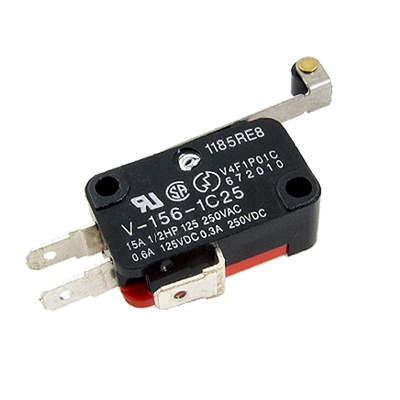
Working Principle of Mechanical Limit Switch
The working principle of a mechanical limit switch is based on direct actuation. When a moving object comes into contact with the switch actuator, internal electrical contacts change their state. This change sends a signal to control circuits, triggering actions such as stopping, starting, or reversing a machine operation.
Key working points include:
- Physical contact initiates switching action
- Internal spring mechanism restores original position
- Electrical contacts open or close based on movement
- Signal is transmitted instantly for control response
- Designed for repeated and precise operation
This simple yet effective mechanism ensures dependable detection of mechanical movement in real-time applications.
Key Components of Limit Switch
A mechanical limit switch consists of several essential parts that work together to ensure accurate operation. Robotics systems depend on limit switches for accurate positioning and controlled movement during complex automated tasks.
- Actuator head for receiving physical input
- Spring mechanism for return motion
- Electrical contact block for circuit control
- Housing unit for protection and durability
- Terminals for secure electrical connections
Each component contributes to smooth operation, durability, and long service life even under continuous usage conditions.
Operation Steps Explained
The operation of a mechanical limit switch follows a straightforward sequence, ensuring predictable and reliable performance.
- External object moves toward the switch actuator
- Actuator gets pressed or displaced physically
- Internal mechanism shifts contact positions
- Electrical circuit either completes or breaks
- System responds by executing control action
- Spring restores switch to original state
This cycle repeats efficiently, making it suitable for repetitive industrial processes and motion control tasks.
Advantages and Applications
Mechanical limit switches are preferred due to their strong performance and versatility in various environments.
Advantages include:
- High mechanical strength and durability
- Simple installation and maintenance
- Reliable operation under harsh conditions
- Cost-effective control solution
- Quick response to physical movement
Common applications include:
- Conveyor systems for position detection
- Industrial machinery safety interlocks
- Automated assembly lines
- Elevator and lifting systems
- Packaging and material handling equipment
Their ability to function accurately in demanding environments makes them a trusted choice for many control systems.
Conclusion
Mechanical limit switch devices provide a dependable method of detecting motion and controlling machinery through direct physical interaction. Their simple working principle, strong construction, and efficient response make them essential in modern automation systems. With consistent performance and broad usability, they continue to support safe and accurate machine operations across various industries.
Categories: Technology
