Flexographic printing has become an efficient method for producing clear, repeatable graphics across many packaging and printed-material applications. Using flexible plates, controlled ink transfer, and continuous substrate movement, modern flexo printing machines can support dependable production while maintaining attractive graphic quality. Understanding https://www.ketegroup.com/types-of-flexo-presses/ can also help readers explore how different press configurations support varying production requirements.
Understanding Flexographic Printing Machines
Flexo printing machines use raised flexible printing plates to transfer ink onto substrates. Anilox rollers help regulate the quantity of ink delivered to the plate, while impression cylinders support accurate image transfer. Multiple printing units can work together to build detailed, multicolor graphics with consistent registration.
Modern systems can accommodate materials such as paper, films, foil, and corrugated substrates, giving manufacturers greater flexibility when planning different print applications.
Features That Support Consistent Production
Several machine elements contribute to dependable graphic reproduction:
- Controlled ink metering supports uniform color coverage.
- Accurate registration keeps multiple colors properly aligned.
- Automated tension management helps maintain stable substrate movement.
- Drying systems help prepare printed layers for subsequent colors.
- Multiple printing stations enable detailed multicolor designs.
- Inline finishing options can streamline additional production stages.
Together, these features create a controlled printing environment that supports repeatable results throughout production runs.
Different Press Configurations For Flexible Applications
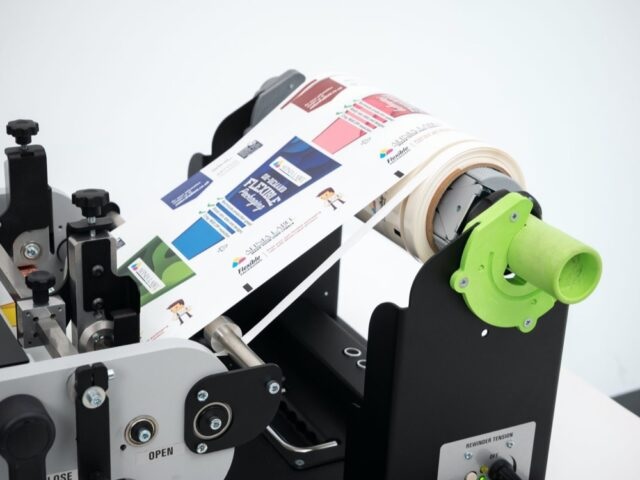
Flexographic presses are available in configurations designed for different materials and production goals. Central impression presses keep flexible substrates supported around a central cylinder, helping maintain accurate registration. Stack presses arrange printing units vertically and can provide useful versatility for various substrates. In-line presses position printing units sequentially, offering convenient access and opportunities to combine printing with converting processes.
Presses can also be categorized by web width, including narrow, mid, and wide formats. This range allows production teams to select equipment according to product dimensions, output requirements, and substrate characteristics.
Technology Enhances Production Efficiency
Modern flexographic technology combines mechanical precision with improved electronic controls. Gearless systems, for example, can use individually controlled motors to synchronize key printing components, supporting precise operation. Automated systems can also help operators maintain stable settings and repeat established production conditions.
Consistent process control remains important because factors such as plates, inks, substrates, and press settings all contribute to final print quality. Structured control practices can help maintain reliable results from one production run to another.
Reliable Graphics Through Modern Flexo Technology
Modern flexographic printing machines provide a balanced combination of versatility, speed, precision, and production control. With suitable press configurations, accurate ink management, dependable registration, and streamlined automation, manufacturers can create consistent graphics across diverse materials while supporting efficient and scalable production.
Categories: Business
