Accurate fluid management is essential for maintaining smooth operations across modern industrial applications. Direct acting solenoid valves contribute to this requirement by providing electrically controlled flow regulation through a straightforward operating mechanism. Their responsive performance, compact construction, and dependable functionality make them valuable components in different fluid handling systems. Understanding their working principles, features, and applications helps industries recognize how these valves support efficient operations and consistent equipment performance.
Understanding Direct Acting Solenoid Valve Technology
Direct acting solenoid valves use electromagnetic force to control the movement of an internal plunger or sealing element. When electrical power reaches the coil, a magnetic field develops and moves the plunger to open or close the flow passage. This mechanism allows operation without depending on a minimum pressure difference.
Important characteristics include:
- Direct electromagnetic control of the valve mechanism.
- Responsive opening and closing functionality.
- Operation without minimum differential pressure.
- Compact construction for convenient installation.
- Suitable configurations for different fluid requirements.
Exploring The Main Valve Components
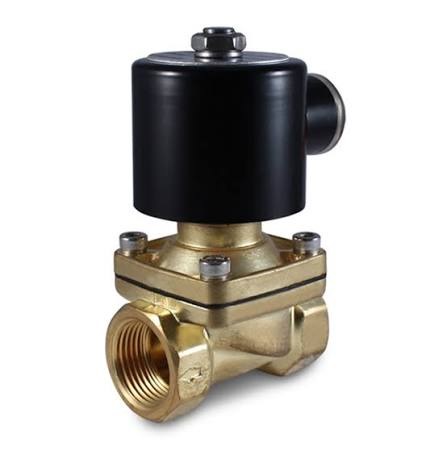
Every direct acting solenoid valve contains carefully designed components that work together to provide controlled operation. Understanding their individual functions helps explain how electromagnetic energy becomes mechanical movement for effective flow management.
The essential components include:
- Solenoid coil: Generates the magnetic field when energized.
- Plunger: Moves according to electromagnetic force.
- Return spring: Supports the valve’s normal position.
- Valve seat: Provides a sealing surface for flow control.
- Valve body: Contains the internal passages and connections.
Understanding The Operating Mechanism
The operating mechanism follows a simple electrical and mechanical process. When the coil receives an electrical signal, electromagnetic force moves the plunger against the spring force, changing the valve position. When electrical power is removed, the spring returns the mechanism to its original position.
This operation provides several useful characteristics:
- Quick response to electrical control signals.
- Consistent switching between operating positions.
- Convenient automatic flow activation and shutoff.
- Reliable operation in low-pressure conditions.
- Accurate control through suitable valve configurations.
Exploring Different Valve Configurations
Direct acting solenoid valves are available in different configurations to support specific flow requirements. Normally closed and normally open arrangements provide different default operating conditions, allowing industries to select suitable solutions for their applications.
Common configurations include:
- Two-way valves for opening and stopping flow.
- Three-way valves for directing fluid between connections.
- Normally closed valves that remain closed without power.
- Normally open valves that maintain an open passage without power.
- Compact designs for specialized equipment applications.
Benefits Across Industrial Applications
Direct acting solenoid valves provide practical advantages for equipment requiring dependable electrical flow control. Their straightforward construction and versatile operation support various industrial processes.
Key benefits include:
- Responsive operation for automated equipment.
- Dependable performance across suitable pressure conditions.
- Convenient integration into control systems.
- Compact designs that support space-efficient installation.
- Consistent switching for repetitive operating cycles.
Applications And Maintenance Considerations
These valves support applications involving compressed air, water, gases, and compatible liquids. Their functionality makes them useful in dispensing equipment, fluid handling systems, pneumatic controls, and automated machinery. Exploring https://www.vincervalve.com/solenoid-valve-types/ provides additional insights into different solenoid valve designs and their operating characteristics.
Regular inspection, suitable electrical connections, compatible sealing materials, and appropriate operating conditions help maintain dependable performance.
Supporting Efficient Flow Management
Direct acting solenoid valves combine electromagnetic technology with practical engineering to deliver responsive flow control. Their straightforward mechanisms, flexible configurations, and dependable operation contribute to productive industrial environments. Selecting suitable valves and maintaining them properly supports consistent performance, efficient automation, and smooth fluid management.
Categories: Business
